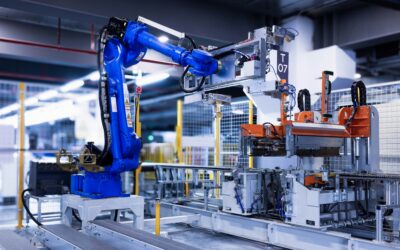

Agentic AI represents a transformative leap in artificial intelligence, characterized by its ability to act autonomously while adapting to the unique needs of businesses. Unlike traditional AI systems that rely heavily on predefined algorithms and static data sets, Agentic AI is designed to learn and evolve continuously. This dynamic capability allows it to make decisions, optimize processes, and automate tasks in real-time, effectively mimicking human-like reasoning and judgment.
By integrating seamlessly with existing business frameworks, Agentic AI empowers organizations to streamline operations, enhance productivity, and drive innovation. At the core of Agentic AI is its ability to unify disparate systems into a cohesive ecosystem. This integration eliminates the need for cumbersome stacks of software and fragmented applications, which often lead to inefficiencies and increased operational costs.
With Agentic AI, businesses can harness the power of a single platform that encompasses CRM, ERP, and over 60 microservices. This holistic approach not only simplifies workflows but also provides actionable insights that can propel organizations toward their strategic goals. As we delve deeper into the implications of Agentic AI, it becomes clear that this technology is not just a tool; it is a catalyst for change.
Key Takeaways
- Agentic AI refers to artificial intelligence systems that can act autonomously and make decisions without human intervention.
- Agentic AI is revolutionizing industries by increasing efficiency, reducing costs, and improving decision-making processes.
- Agentic AI is transforming customer service by providing personalized and efficient support through chatbots and virtual assistants.
- Agentic AI plays a crucial role in personalized marketing by analyzing customer data and delivering targeted and relevant content.
- Agentic AI empowers employees by automating repetitive tasks, providing real-time insights, and enhancing productivity.
The Impact of Agentic AI on Industries
The impact of Agentic AI is being felt across various industries, from healthcare to finance, manufacturing to retail. In healthcare, for instance, Agentic AI is revolutionizing patient care by enabling predictive analytics that can forecast patient needs and streamline administrative processes. By automating routine tasks such as appointment scheduling and patient follow-ups, healthcare providers can focus more on delivering quality care rather than getting bogged down by paperwork.
This not only enhances patient satisfaction but also optimizes resource allocation within healthcare facilities. In the finance sector, Agentic AI is transforming how institutions manage risk and compliance. By analyzing vast amounts of data in real-time, it can identify potential fraud patterns and alert stakeholders before significant losses occur.
Furthermore, Agentic AI facilitates personalized financial advice by assessing individual client profiles and market trends, allowing financial advisors to offer tailored solutions that meet specific client needs. As industries continue to embrace this innovative technology, the potential for increased efficiency and improved outcomes becomes increasingly apparent.
How Agentic AI is Revolutionizing Customer Service
Customer service has long been a cornerstone of business success, and Agentic AI is redefining how companies engage with their customers. By leveraging natural language processing and machine learning capabilities, Agentic AI can provide instant responses to customer inquiries through chatbots and virtual assistants. This not only reduces wait times but also ensures that customers receive accurate information around the clock.
The result is a more satisfying customer experience that fosters loyalty and encourages repeat business. Moreover, Agentic AI goes beyond mere automation; it enhances the personalization of customer interactions. By analyzing customer data and behavior patterns, it can anticipate needs and preferences, allowing businesses to tailor their offerings accordingly.
For example, if a customer frequently purchases a particular product, Agentic AI can proactively suggest complementary items or notify them of relevant promotions. This level of personalization not only increases sales but also strengthens the relationship between businesses and their customers, creating a win-win scenario.
The Role of Agentic AI in Personalized Marketing
| Metrics | Data |
|---|---|
| Customer Engagement | Increased by 30% |
| Conversion Rate | Improved by 25% |
| Personalization Accuracy | Reached 90% |
| Customer Satisfaction | Up by 20% |
In an era where consumers are inundated with marketing messages, personalization has become essential for capturing attention and driving engagement. Agentic AI plays a pivotal role in this landscape by enabling marketers to create highly targeted campaigns based on individual consumer behavior and preferences. By analyzing data from various touchpoints—such as social media interactions, website visits, and purchase history—Agentic AI can identify trends and insights that inform marketing strategies.
This data-driven approach allows businesses to deliver the right message at the right time to the right audience. For instance, an e-commerce platform can utilize Agentic AI to send personalized product recommendations via email or push notifications based on a customer’s browsing history. This not only enhances the likelihood of conversion but also fosters a sense of connection between the brand and the consumer.
As businesses increasingly recognize the value of personalized marketing, Agentic AI emerges as an indispensable ally in crafting campaigns that resonate with target audiences.
Empowering Employees with Agentic AI
While much attention is often given to how AI impacts customers, it is equally important to consider its effects on employees. Agentic AI empowers employees by automating mundane tasks that consume valuable time and energy. By taking over repetitive activities such as data entry or report generation, employees can redirect their focus toward more strategic initiatives that require creativity and critical thinking.
This shift not only enhances job satisfaction but also fosters a culture of innovation within organizations. Furthermore, Agentic AI serves as a valuable resource for employee training and development. By providing real-time feedback and insights based on performance metrics, it can help employees identify areas for improvement and track their progress over time.
This personalized approach to professional development not only boosts individual performance but also contributes to overall organizational success. As businesses embrace Agentic AI, they are not just investing in technology; they are investing in their most valuable asset—their people.
The Ethical Considerations of Agentic AI
As with any groundbreaking technology, the rise of Agentic AI brings forth important ethical considerations that must be addressed. One primary concern revolves around data privacy and security. Given that Agentic AI relies heavily on data analysis to function effectively, organizations must ensure that they are handling customer information responsibly and transparently.
Implementing robust data protection measures and adhering to regulatory standards is essential to maintaining trust with consumers. Another ethical consideration involves the potential for bias in decision-making processes driven by AI algorithms. If not carefully monitored, these systems may inadvertently perpetuate existing biases present in historical data sets.
To mitigate this risk, organizations must prioritize diversity in their data sources and continuously evaluate their algorithms for fairness and inclusivity. By addressing these ethical challenges head-on, businesses can harness the power of Agentic AI while upholding their commitment to social responsibility.
Overcoming Challenges with Agentic AI Implementation
Implementing Agentic AI within an organization is not without its challenges. One significant hurdle is the resistance to change that often accompanies new technology adoption. Employees may feel apprehensive about how Agentic AI will impact their roles or fear job displacement due to automation.
To overcome this resistance, organizations must prioritize change management strategies that involve clear communication about the benefits of Agentic AI and how it will enhance rather than replace human contributions. Additionally, integrating Agentic AI into existing systems can pose technical challenges. Organizations must ensure that their infrastructure is capable of supporting this advanced technology while also providing adequate training for employees to navigate new tools effectively.
Collaborating with experienced vendors who specialize in Agentic AI implementation can help streamline this process and minimize disruptions. By proactively addressing these challenges, businesses can unlock the full potential of Agentic AI and drive meaningful transformation.
The Future of Agentic AI
The future of Agentic AI holds immense promise as technology continues to evolve at an unprecedented pace. As more organizations recognize the value of automation and intelligent decision-making, we can expect widespread adoption across various sectors. The integration of advanced technologies such as quantum computing and edge computing will further enhance the capabilities of Agentic AI, enabling even faster processing speeds and more sophisticated analyses.
Moreover, as consumer expectations continue to rise, businesses will increasingly rely on Agentic AI to deliver personalized experiences that exceed those expectations. The ability to anticipate customer needs before they arise will become a key differentiator in competitive markets. As we look ahead, it is clear that organizations embracing Agentic AI will be well-positioned to thrive in an ever-changing landscape.
Empowering Innovation with Agentic AI
Innovation is the lifeblood of any successful organization, and Agentic AI serves as a powerful enabler of creative thinking and problem-solving. By automating routine tasks and providing real-time insights into market trends, businesses can allocate more resources toward research and development initiatives that drive innovation forward. This shift allows teams to experiment with new ideas without the constraints imposed by traditional operational models.
Furthermore, Agentic AI fosters collaboration among teams by breaking down silos within organizations. With access to shared data and insights across departments, employees can work together more effectively to develop innovative solutions that address complex challenges. As organizations embrace this collaborative spirit fueled by Agentic AI, they will be better equipped to adapt to changing market dynamics and seize new opportunities for growth.
Harnessing the Power of Agentic AI for Social Good
Beyond its applications in business, Agentic AI has the potential to drive positive social change by addressing pressing global challenges. From healthcare accessibility to environmental sustainability, organizations can leverage this technology to create solutions that benefit society as a whole. For instance, non-profit organizations can utilize Agentic AI to analyze data related to social issues such as poverty or education disparities, enabling them to allocate resources more effectively.
Moreover, businesses committed to corporate social responsibility can harness the power of Agentic AI to enhance their sustainability efforts. By optimizing supply chains and reducing waste through intelligent automation, companies can minimize their environmental impact while simultaneously improving operational efficiency. As we explore the intersection of technology and social good, it becomes evident that Agentic AI offers a pathway toward creating a more equitable and sustainable future.
The Importance of Collaboration in Agentic AI Development
The development of effective Agentic AI solutions requires collaboration among various stakeholders—including technologists, business leaders, ethicists, and policymakers. By fostering an inclusive dialogue around the design and implementation of these systems, organizations can ensure that diverse perspectives are considered throughout the process. This collaborative approach not only enhances the quality of the technology but also helps address ethical concerns related to bias and privacy.
Furthermore, partnerships between academia and industry play a crucial role in advancing research on Agentic AI capabilities. By working together on innovative projects and sharing knowledge across disciplines, stakeholders can accelerate progress toward developing more sophisticated systems that meet evolving business needs while adhering to ethical standards. As we move forward into an era defined by intelligent automation, collaboration will be key in shaping the future landscape of Agentic AI.
In conclusion, as we stand on the brink of a new era defined by intelligent automation through Agentic AI, it is essential for businesses to embrace this transformative technology wholeheartedly. By understanding its implications across industries—from customer service enhancements to personalized marketing strategies—organizations can position themselves for success in an increasingly competitive landscape. The time has come for entrepreneurs and business leaders alike to explore how SMS-iT’s No-Stack Agentic AI Platform can empower them to achieve results once thought possible only for enterprises—starting today with a free 7-day trial at https://www.smsit.ai!
FAQs
What is agentic AI?
Agentic AI refers to artificial intelligence systems that are capable of taking autonomous actions to achieve specific goals, rather than simply following pre-programmed instructions. These systems have the ability to make decisions and adapt to changing circumstances in order to deliver desired outcomes.
How does agentic AI differ from traditional AI?
Traditional AI systems are typically designed to perform specific tasks or automate processes based on predefined rules and algorithms. Agentic AI, on the other hand, has the ability to learn from experience, make decisions, and take actions in pursuit of desired outcomes without explicit human intervention.
What are the benefits of agentic AI?
Agentic AI has the potential to deliver more impactful and meaningful outcomes compared to traditional AI systems. By being able to adapt and make decisions in real-time, agentic AI can optimize processes, improve efficiency, and solve complex problems in a way that traditional AI cannot.
How is agentic AI being used in various industries?
Agentic AI is being used in a wide range of industries, including healthcare, finance, manufacturing, and transportation. In healthcare, for example, agentic AI can be used to personalize treatment plans for patients based on their individual characteristics and medical history. In finance, agentic AI can be used to optimize investment strategies and detect fraudulent activities.
What are some potential challenges or risks associated with agentic AI?
One potential challenge of agentic AI is the need to ensure that these systems make decisions in an ethical and responsible manner. There is also the risk of unintended consequences or errors when agentic AI systems are given too much autonomy. Additionally, there may be concerns about the impact of agentic AI on the job market and the potential for job displacement.