
In an era defined by rapid technological evolution, the concept of autonomous work has emerged as a transformative force reshaping the landscape of business operations. Autonomous work refers to the ability of individuals and organizations to perform tasks with minimal human intervention, leveraging advanced technologies to streamline processes and enhance productivity. This paradigm shift is not merely a trend; it represents a fundamental change in how work is conceptualized and executed.
As businesses strive for efficiency and agility, the integration of autonomous systems becomes increasingly vital, allowing teams to focus on strategic initiatives rather than mundane tasks. The rise of autonomous work is closely tied to the growing demand for flexibility and adaptability in the workplace. With the advent of remote work and digital collaboration tools, employees are no longer confined to traditional office settings.
Instead, they can operate from anywhere, utilizing technology to manage their responsibilities effectively. This shift has paved the way for innovative solutions that empower individuals to take charge of their workflows, fostering a culture of autonomy and accountability. As we delve deeper into the advancements in technology and automation, it becomes clear that autonomous work is not just a fleeting phenomenon but a cornerstone of modern business strategy.
Key Takeaways
- Autonomous work refers to the ability of individuals to work independently and make decisions without direct supervision.
- Advancements in technology and automation have led to the rise of autonomous work, allowing for greater flexibility and efficiency in various industries.
- The impact on the job market and employment is significant, with some jobs being replaced by automation while others are being created to support autonomous work.
- The benefits of autonomous work include increased productivity and flexibility, but challenges such as job displacement and the need for new skills also arise.
- Examples of autonomous work can be found in industries such as manufacturing, transportation, and healthcare, where robots and AI are increasingly taking on tasks previously done by humans.
Advancements in Technology and Automation
The technological advancements that have fueled the rise of autonomous work are nothing short of revolutionary. From artificial intelligence (AI) to machine learning, these innovations have enabled businesses to automate complex processes, reduce human error, and enhance decision-making capabilities. For instance, AI-driven analytics tools can sift through vast amounts of data in real-time, providing insights that were previously unattainable.
This allows organizations to make informed decisions quickly, adapting to market changes with agility and precision. Moreover, automation technologies such as robotic process automation (RPA) have transformed repetitive tasks into streamlined workflows. By automating routine activities like data entry or invoice processing, businesses can free up valuable human resources to focus on higher-value tasks that require creativity and critical thinking.
The integration of these technologies not only boosts productivity but also enhances employee satisfaction by reducing the burden of monotonous work. As companies embrace these advancements, they position themselves at the forefront of innovation, ready to tackle the challenges of an ever-evolving marketplace.
Impact on Job Market and Employment

The rise of autonomous work inevitably raises questions about its impact on the job market and employment opportunities. While some fear that automation will lead to widespread job displacement, the reality is more nuanced. Autonomous work is not about replacing human workers; rather, it is about augmenting their capabilities.
As routine tasks become automated, new roles emerge that require advanced skills in technology management, data analysis, and strategic thinking. This shift necessitates a workforce that is adaptable and willing to embrace continuous learning. Furthermore, the demand for skilled professionals who can navigate this new landscape is on the rise.
Industries are increasingly seeking individuals who possess a blend of technical expertise and soft skills, such as problem-solving and collaboration. As businesses adopt autonomous systems, they will require talent that can leverage these tools effectively to drive innovation and growth. This presents an opportunity for workers to upskill and reskill, ensuring they remain relevant in a rapidly changing job market.
Ultimately, while the nature of work may evolve, the need for human ingenuity and creativity will remain paramount.
Benefits and Challenges of Autonomous Work
The benefits of autonomous work are manifold, offering organizations the potential for increased efficiency, reduced costs, and enhanced employee satisfaction. By automating routine tasks, businesses can allocate resources more effectively, allowing teams to focus on strategic initiatives that drive growth. This not only leads to improved productivity but also fosters a culture of innovation where employees feel empowered to contribute their ideas and expertise.
However, the transition to autonomous work is not without its challenges. Organizations must navigate potential resistance from employees who may fear job loss or feel overwhelmed by new technologies. Additionally, there is a need for robust cybersecurity measures to protect sensitive data as automation becomes more prevalent.
Companies must also invest in training programs to ensure their workforce is equipped with the skills necessary to thrive in an automated environment. Balancing these challenges with the benefits of autonomous work will be crucial for organizations seeking to harness its full potential.
Examples of Autonomous Work in Various Industries
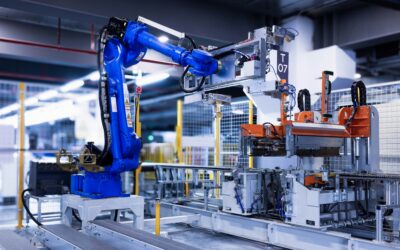
Autonomous work is making significant strides across various industries, showcasing its versatility and effectiveness in enhancing operational efficiency. In manufacturing, for instance, robotics and automation systems are revolutionizing production lines by performing repetitive tasks with precision and speed. This not only reduces labor costs but also minimizes errors, leading to higher quality products and faster turnaround times.
In the healthcare sector, autonomous technologies are transforming patient care through telemedicine and AI-driven diagnostics. Healthcare professionals can leverage these tools to monitor patients remotely, analyze medical data, and provide timely interventions without being physically present. This not only improves patient outcomes but also allows healthcare providers to optimize their workflows and allocate resources more effectively.
The Role of Artificial Intelligence in Autonomous Work

Artificial intelligence plays a pivotal role in enabling autonomous work by providing the intelligence needed for machines to learn from data and make informed decisions. AI algorithms can analyze patterns in large datasets, identify trends, and even predict future outcomes based on historical information. This capability empowers organizations to automate complex decision-making processes that were once reliant on human judgment.
Moreover, AI-driven chatbots and virtual assistants are enhancing customer service experiences by providing instant support and personalized interactions. These tools can handle routine inquiries efficiently, allowing human agents to focus on more complex issues that require empathy and critical thinking. As AI continues to evolve, its integration into autonomous work will only deepen, further blurring the lines between human and machine collaboration.
The Future of Remote Work and Telecommuting
The future of remote work and telecommuting is intrinsically linked to the rise of autonomous work. As organizations increasingly adopt flexible work arrangements, employees are empowered to manage their schedules and responsibilities from anywhere in the world. This shift not only enhances work-life balance but also opens up opportunities for businesses to tap into a global talent pool.
However, for remote work to be truly effective, organizations must invest in the right technologies that facilitate collaboration and communication among distributed teams. Tools that integrate CRM, ERP, and other microservices—like SMS-iT—can streamline workflows and ensure that employees remain connected regardless of their physical location. By embracing these technologies, businesses can create an adaptive ecosystem that supports both autonomy and teamwork.
Strategies for Adapting to Autonomous Work
To successfully adapt to autonomous work, organizations must adopt a proactive approach that prioritizes continuous learning and innovation. First and foremost, investing in employee training programs is essential to equip teams with the skills needed to navigate new technologies confidently. This includes not only technical training but also fostering a culture of adaptability where employees feel encouraged to experiment with new tools.
Additionally, organizations should embrace a mindset of collaboration by leveraging platforms that unify various functions within the business ecosystem. SMS-iT exemplifies this approach by providing an integrated solution that combines CRM, ERP, and over 60 microservices into one intelligent platform. By streamlining processes and automating workflows, businesses can empower their teams to focus on strategic initiatives rather than getting bogged down by administrative tasks.
In conclusion, as we stand on the brink of a new era defined by autonomous work, it is crucial for organizations to embrace this transformation with open arms. The advancements in technology and automation present unparalleled opportunities for growth and innovation while also posing challenges that must be navigated thoughtfully. By leveraging tools like SMS-iT—designed specifically to automate outcomes rather than just provide tools—businesses can position themselves as leaders in this evolving landscape.
To experience firsthand how SMS-iT can revolutionize your business operations through autonomous work solutions, we invite you to try out our 7-day free trial at https://www.smsit.ai. Embrace the future of work today!
FAQs
What is the future of work in relation to autonomy?
The future of work is increasingly becoming autonomous, with more tasks and processes being automated through the use of technology and artificial intelligence.
What are some examples of autonomy in the workplace?
Examples of autonomy in the workplace include the use of autonomous robots in manufacturing, self-driving vehicles for transportation and delivery, and AI-powered systems for customer service and data analysis.
How is autonomy impacting the workforce?
Autonomy is impacting the workforce by changing the nature of jobs and requiring workers to adapt to new technologies and skills. It is also leading to the creation of new job roles focused on managing and maintaining autonomous systems.
What are the benefits of autonomy in the workplace?
The benefits of autonomy in the workplace include increased efficiency, improved safety, cost savings, and the ability to handle repetitive or dangerous tasks without human intervention.
What are the potential challenges of autonomy in the workplace?
Challenges of autonomy in the workplace include job displacement, the need for retraining and upskilling of workers, ethical considerations, and potential security risks associated with autonomous systems.