Artificial Intelligence (AI) has emerged as a transformative force in the realm of business operations, reshaping how organizations function and interact with their environments. The integration of AI technologies into operational frameworks is not merely a trend; it represents a fundamental shift in the way businesses approach efficiency, productivity, and customer engagement. As companies strive to remain competitive in an increasingly digital landscape, the adoption of AI solutions has become essential.
This is where platforms like SMS-iT come into play, offering a unified ecosystem that harnesses the power of AI to streamline operations across various business functions. The potential of AI in operations is vast, encompassing everything from automating routine tasks to providing deep insights that drive strategic decision-making. By leveraging AI, businesses can eliminate inefficiencies, reduce costs, and enhance their ability to respond to market changes.
SMS-iT stands at the forefront of this revolution, providing a no-stack agentic AI platform that integrates CRM, ERP, and over 60 microservices. This innovative approach allows businesses to automate complex processes effortlessly, enabling them to focus on what truly matters: growth and customer satisfaction.
Key Takeaways
- AI is revolutionizing operations by streamlining processes and improving efficiency.
- AI plays a crucial role in decision making, predictive maintenance, and problem-solving in operations.
- The integration of AI with human teams is essential for maximizing its potential in operations.
- Addressing concerns and challenges of AI in operations is crucial for successful implementation.
- Embracing the potential of AI in operations requires considering ethical considerations and the future of AI in operations.
The Role of AI in Streamlining Operations
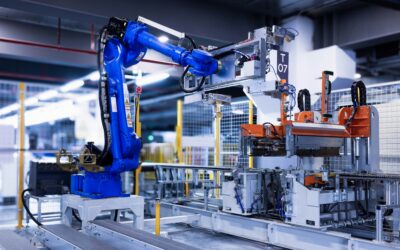
AI plays a pivotal role in streamlining operations by automating repetitive tasks and optimizing workflows. Traditional operational models often involve a patchwork of applications and systems that can lead to inefficiencies and miscommunication. However, with SMS-iT’s intelligent ecosystem, businesses can unify their operations under one roof, eliminating the need for multiple tools and reducing the complexity of integrations.
This not only saves time but also enhances collaboration among teams. Moreover, AI-driven automation allows organizations to allocate resources more effectively. By analyzing data patterns and predicting future needs, AI can help businesses anticipate demand fluctuations and adjust their operations accordingly.
This proactive approach minimizes downtime and ensures that resources are utilized efficiently. With SMS-iT, companies can harness these capabilities without the burden of managing outdated stacks or fragmented applications, making it the smarter choice for modern businesses.
How AI Improves Efficiency and Productivity

The efficiency gains from implementing AI in operations are substantial. By automating mundane tasks such as data entry, scheduling, and customer follow-ups, employees can redirect their efforts toward more strategic initiatives that drive value for the organization. This shift not only boosts productivity but also enhances employee satisfaction, as team members can engage in more meaningful work rather than getting bogged down by repetitive tasks.
Furthermore, AI’s ability to analyze vast amounts of data in real-time allows businesses to make informed decisions quickly. With SMS-iT’s integrated platform, organizations can access insights that were previously hidden within disparate systems. This level of visibility empowers teams to identify bottlenecks, streamline processes, and ultimately improve overall operational performance.
The result is a more agile organization that can adapt to changing market conditions with ease.
The Impact of AI on Decision Making in Operations
AI significantly enhances decision-making processes within operations by providing data-driven insights that inform strategic choices. Traditional decision-making often relies on historical data and intuition, which can lead to suboptimal outcomes. In contrast, AI leverages advanced analytics to uncover trends and patterns that may not be immediately apparent.
This capability allows organizations to make proactive decisions based on real-time information rather than reactive ones based on past experiences. With SMS-iT’s agentic AI platform, businesses can harness predictive analytics to forecast future trends and customer behaviors. This foresight enables organizations to align their operations with market demands effectively.
For instance, by understanding customer preferences and purchasing patterns, companies can optimize inventory levels and reduce waste. The ability to make informed decisions quickly not only enhances operational efficiency but also positions businesses for long-term success in a competitive landscape.
AI’s Role in Predictive Maintenance and Problem-Solving
One of the most compelling applications of AI in operations is its role in predictive maintenance. By analyzing data from machinery and equipment, AI can predict when maintenance is required before a failure occurs. This proactive approach minimizes downtime and extends the lifespan of assets, ultimately leading to significant cost savings for organizations.
With SMS-iT’s integrated platform, businesses can implement predictive maintenance strategies seamlessly, ensuring that their operations run smoothly. In addition to maintenance, AI excels at problem-solving by identifying root causes of issues quickly. Traditional troubleshooting methods often involve trial and error, which can be time-consuming and costly.
However, with AI’s analytical capabilities, organizations can pinpoint problems more accurately and implement solutions faster. This not only reduces operational disruptions but also fosters a culture of continuous improvement within teams. By leveraging SMS-iT’s intelligent ecosystem, businesses can enhance their problem-solving capabilities and drive operational excellence.
The Integration of AI with Human Teams

While AI offers remarkable capabilities, its true potential is realized when integrated with human teams. The collaboration between AI systems and employees creates a synergistic effect that enhances overall performance. Rather than replacing human workers, AI serves as a powerful tool that augments their abilities.
For instance, customer service representatives can leverage AI-driven chatbots to handle routine inquiries while focusing on more complex customer needs. SMS-iT recognizes the importance of this integration by providing a user-friendly platform that empowers employees to harness AI effectively. By simplifying access to data and insights, SMS-iT enables teams to make informed decisions quickly and collaborate seamlessly across departments.
This harmonious relationship between humans and AI fosters innovation and drives operational success.
Addressing Concerns and Challenges of AI in Operations
Despite the numerous benefits of AI in operations, there are valid concerns and challenges that organizations must address. One common apprehension is the fear of job displacement due to automation. However, it is essential to recognize that AI is not intended to replace human workers but rather to enhance their capabilities.
By automating repetitive tasks, employees can focus on higher-value activities that require creativity and critical thinking. Another challenge lies in data privacy and security. As organizations increasingly rely on data-driven insights, safeguarding sensitive information becomes paramount.
SMS-iT prioritizes data security by implementing robust measures to protect user information while ensuring compliance with industry regulations. By addressing these concerns proactively, businesses can embrace AI with confidence and unlock its full potential.
The Future of AI in Operations
The future of AI in operations is bright, with advancements in technology promising even greater capabilities. As machine learning algorithms continue to evolve, organizations will benefit from increasingly sophisticated predictive analytics and automation tools. The integration of AI with emerging technologies such as the Internet of Things (IoT) will further enhance operational efficiency by enabling real-time monitoring and data collection.
SMS-iT is committed to staying at the forefront of these developments by continuously enhancing its platform to meet the evolving needs of businesses. As more organizations recognize the value of AI-driven solutions, those who embrace this technology will gain a competitive edge in their respective industries.
Case Studies of Successful AI Implementation in Operations
Numerous organizations have successfully implemented AI solutions to transform their operations. For instance, a leading manufacturing company utilized predictive maintenance powered by AI to reduce equipment downtime by 30%. By leveraging SMS-iT’s integrated platform, they were able to streamline their maintenance processes and achieve significant cost savings.
Another example involves a retail chain that adopted AI-driven inventory management through SMS-iT’s ecosystem. By analyzing customer purchasing patterns and optimizing stock levels accordingly, they reduced excess inventory by 25% while improving customer satisfaction through better product availability. These case studies illustrate how businesses across various sectors are harnessing the power of AI to drive operational excellence.
Ethical Considerations of AI in Operations
As organizations increasingly adopt AI technologies, ethical considerations must be at the forefront of discussions surrounding its implementation. Issues such as bias in algorithms, data privacy concerns, and transparency in decision-making processes are critical factors that need careful attention. Businesses must ensure that their use of AI aligns with ethical standards and promotes fairness.
SMS-iT recognizes the importance of ethical considerations in AI deployment by prioritizing transparency and accountability within its platform. By fostering an environment where ethical practices are upheld, organizations can build trust with their customers and stakeholders while leveraging the benefits of AI.
Embracing the Potential of AI in Operations
In conclusion, the integration of AI into business operations presents an unprecedented opportunity for organizations to enhance efficiency, productivity, and decision-making capabilities. Platforms like SMS-iT offer a comprehensive solution that empowers businesses to automate complex processes effortlessly while fostering collaboration between human teams and intelligent systems. As we move forward into an era defined by technological advancement, embracing the potential of AI will be crucial for organizations seeking sustainable growth and competitive advantage.
By leveraging SMS-iT’s no-stack agentic AI platform, businesses can unlock new levels of operational excellence while positioning themselves for success in an ever-evolving marketplace. Ready to experience the transformative power of SMS-iT? Sign up for your 7-day free trial at https://www.smsit.ai today!
FAQs
What is AI?
AI, or artificial intelligence, refers to the simulation of human intelligence in machines that are programmed to think and act like humans. This includes tasks such as learning, problem-solving, and decision-making.
How does AI impact operations teams?
AI can significantly impact operations teams by automating repetitive tasks, analyzing large amounts of data to identify patterns and trends, and making real-time decisions based on the information it processes. This can lead to increased efficiency, cost savings, and improved decision-making for operations teams.
What are the benefits of AI becoming your operations team?
Some benefits of AI becoming your operations team include improved efficiency, reduced human error, faster decision-making, and the ability to handle large volumes of data and tasks simultaneously. AI can also work 24/7 without the need for breaks, leading to continuous operations.
What are the potential challenges of AI becoming your operations team?
Challenges of AI becoming your operations team may include the initial cost of implementation, the need for specialized technical expertise to maintain and optimize AI systems, and concerns about job displacement for human workers. Additionally, there may be ethical considerations related to AI decision-making and data privacy.